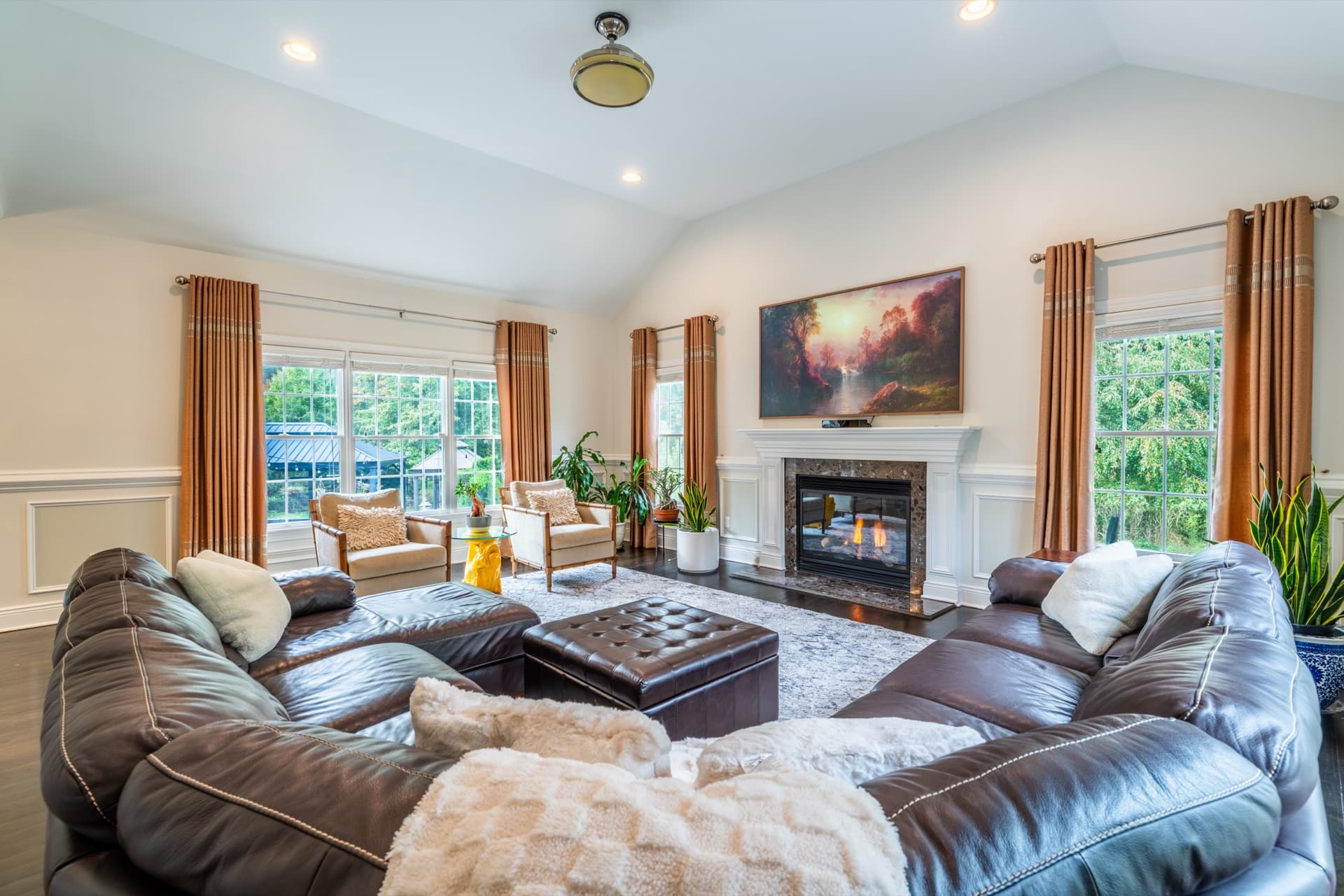
Is virtual staging allowed in listing photos?
Yes, as long as buyers aren't misled. What virtual staging can and can't change, how to disclose it, and which rooms are worth staging.
Real Estate3 min read
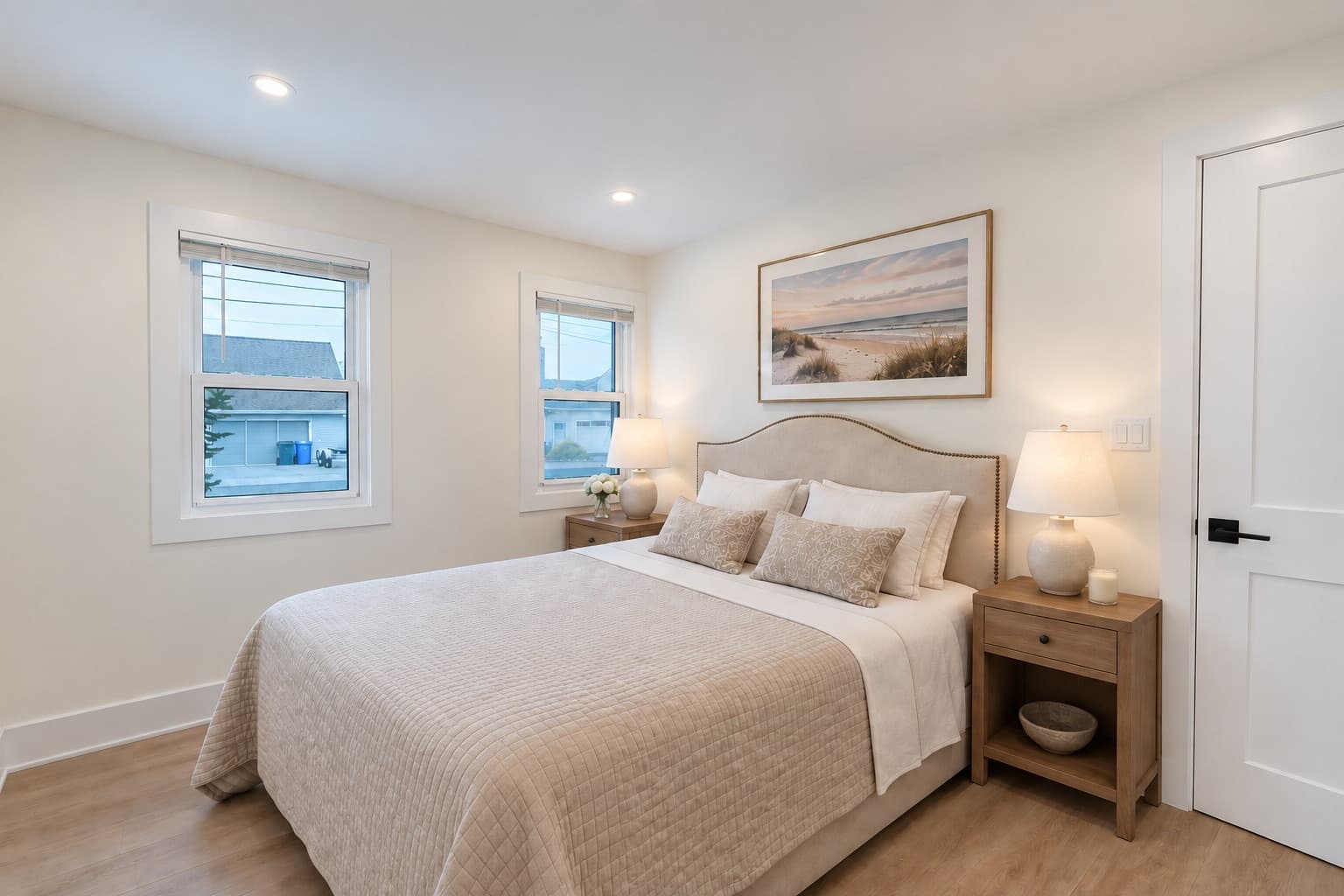
Virtual staging is allowed in listing photos, and it is common. The line that matters is between showing a buyer what a room could look like and misrepresenting what they are buying. Stay on the right side of it and staging is one of the most effective things you can do for a vacant listing.
What virtual staging is
It is furniture and décor added to a photo of an empty room after the shoot. The room itself (walls, floors, windows, fixtures, the view) stays exactly as photographed. Only movable furnishings are added, so a buyer can see how the space works: where a sofa goes, whether a bedroom fits a king bed, how a dining area connects to the kitchen.
Empty rooms tend to read smaller and colder on a screen than they feel in person, and it is hard to judge the scale of a room with nothing in it. That is the problem staging solves.
What it must not change
The REALTOR® Code of Ethics requires agents to present a true picture in their advertising, and MLS rules generally say the same about listing photos. In practice, that means staging can add furniture but should never alter the property itself:
- No new finishes. Don't change flooring, paint colors, countertops or cabinets to something the home doesn't have.
- No hidden flaws. Don't cover water stains, cracks or damage with a well-placed rug or plant.
- No changed views or features. Don't remove power lines, swap the view out a window, or add a fireplace that isn't there.
- No impossible furniture. A bed that wouldn't fit through the door, or a layout that only works because the room was digitally widened, misleads in its own way.
Disclose it
Label every virtually staged photo, for example with a small "Virtually staged" note on the image or in the caption. Many MLSs require a disclosure and some also ask for the unstaged version, so check your own MLS's rules before the listing goes live. Including the empty-room photo next to the staged one is good practice either way: buyers see the potential and the reality, and nobody feels tricked at the showing.
Which rooms to stage
You rarely need every room. Stage the ones buyers judge a home on and the ones that are hard to read empty:
- The main living space. It is usually the lead photo, and it sets the tone for the whole listing.
- The primary bedroom. Buyers want to know a full bedroom set fits.
- Awkward rooms. An odd-shaped room, a bonus room or a finished basement makes sense the moment it has a purpose.
- Open-plan areas. Furniture shows where one zone ends and the next begins.
Kitchens and bathrooms rarely need staging; they are defined by their fixtures. A tidy counter and good light do more there.
Get the photos right first
Staging only works on a good photo. The room has to be shot level, evenly lit, and from a height and angle that leaves room for furniture to sit naturally. Staging added to a dark, crooked phone photo just looks fake. That is why we only stage photos from our own shoots: we know when we take them which rooms are going to be staged.
Our virtual staging is done in-house on photos from your shoot and delivered with the rest of your photos. Add it on the booking page when you choose photography.
Getting a vacant home ready for photos? The pre-shoot checklist covers what to do before we arrive, and our services show everything else a listing can include.
AdReach Studios
A New Jersey studio that photographs, films and edits listings for agents and brokers.